

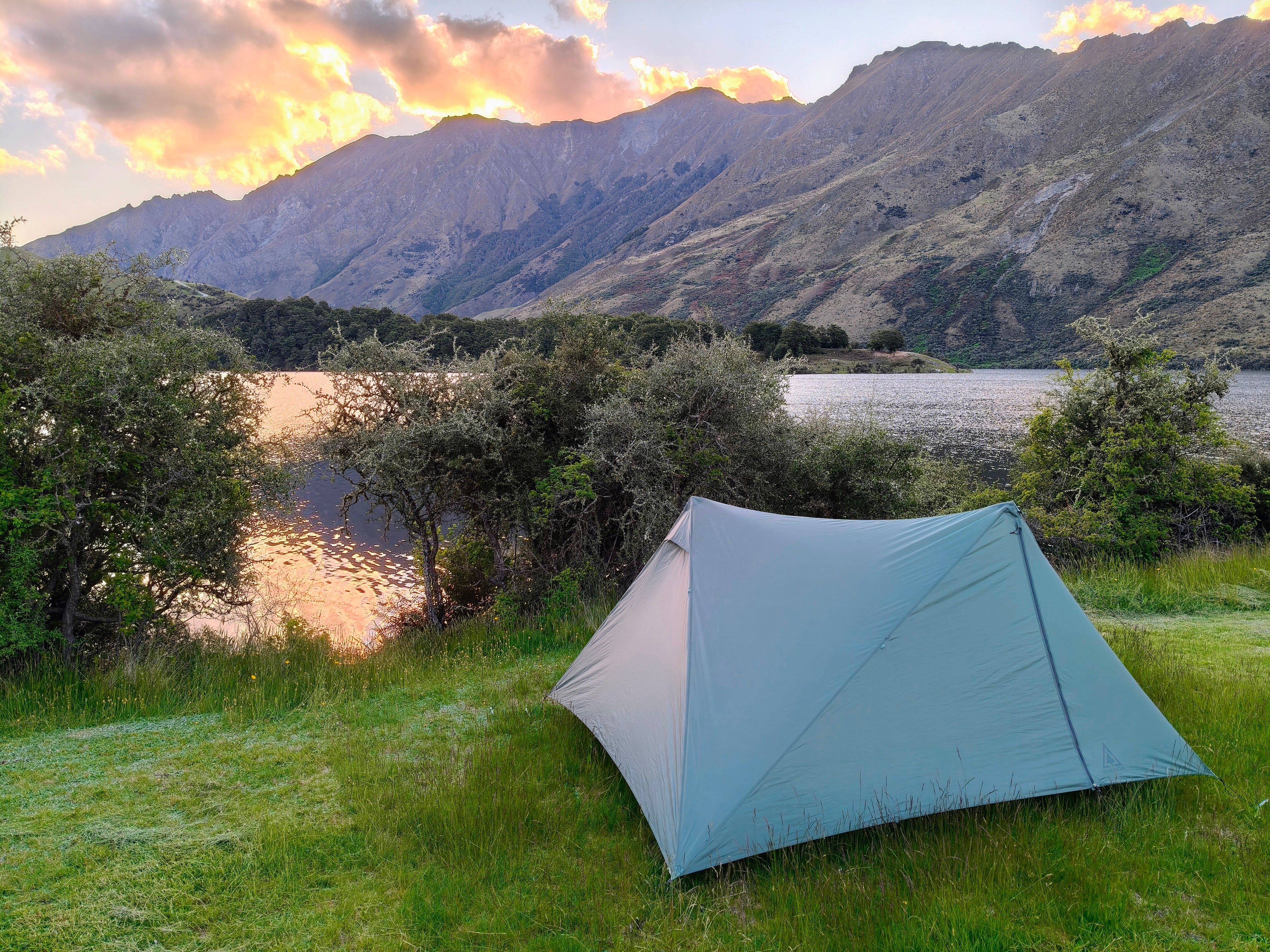
Inflationary pressures are everywhere; you can’t even blow up a balloon these days without them getting involved. Then there’s economic inflationary pressures, a real trespasser beyond the electrified fence. Those ones have been sticking their nose in where it’s not wanted for what feels like a lifetime. Stuff just keeps on getting more expensive and there’s nothing you nor I can do about it.
Even money-saving hacks keep creeping up in price. They are so onto us, I swear. Since July last year, the Department Of Conservation Campsite Pass costs $295. That's for 365 nights of camping at most* of New Zealand’s conservation campsites. Per night, that's about 81c. When it cost $195 the year before, it was roughly 53c per night. A high percentage price leap on a good value option, making the good value option slightly less gooder value.
In a document I saw online, but I cannot for the life of me find now, because, presumably, it’s been taken down, single nights at many of DOC’s campsites have also gone up by several bucks. 28 campsites saw a 50% price leap, going from $10 to $15 per night; four sites jumped 33% in price, from $15 to $20 per night; and 47 sites jumped 20% in price, from $15 to $18. The annual pass just clipped all these, with its 51% price increase. All these increases are far, far above the 3.1% inflation rate published by Stats NZ for 2025. I guess lots of things went down in price to offset that figure?
The good news is that, even at 81 cents a night for a year of living, the campsite pass is still a worthy investment if you’re likely to spend a bunch of nights in a 12 month period at a DOC camp. Just be aware, there’s an awning of DOC camps you can’t use the pass at.
Should I buy the DOC Camping Pass and how easy is it to benefit?
To pass the break-even point on a $295 adult pass, you're going to need to spend a minimum of 15 nights at $20 camps, 17 nights at $18 camps, 20 nights at $15 camps, or a mix of this. That's two to three solid weeks of rugged, basic and isolated, conservation estate living in a single year1.
Broadly speaking, I reckon there’s four groups who might be able to crash that many nights in a DOC camp across a year. These are retirees, van lifers, working holiday travellers and those who like to summer holiday in just the one spot.
Where did I camp and how was each campsite?
In one year, on my $195 camping pass, I stayed at twelve paid Department of Conservation campsites, sometimes in a tent, sometimes in the All-Electric Pūkeko Adventure Wagon. I’ve written about each campsite in three sentences or less:
Waikawau Bay Campsite - 3 nights, $45 value
Surf lovers, beach runners and SUP-pups will love this beach side campground. It's absolutely massive and then you cross the road and find it's approximately the same size again over there. Features DOC staples like vault toilets and cold showers, though there is also a small shop in peak season.
Tōtara Flat Campsite - 2 nights, $20 value
Gateway to the notable Pinnacles Walk hike, the Kauaeranga Valley features nine conservation campsites just on the road itself. We chose this one for its vehicle access and short walk up the road to where the main Track World starts and access to Moss Creek Track. Features toilets, a flat place to put your head and water from the river.
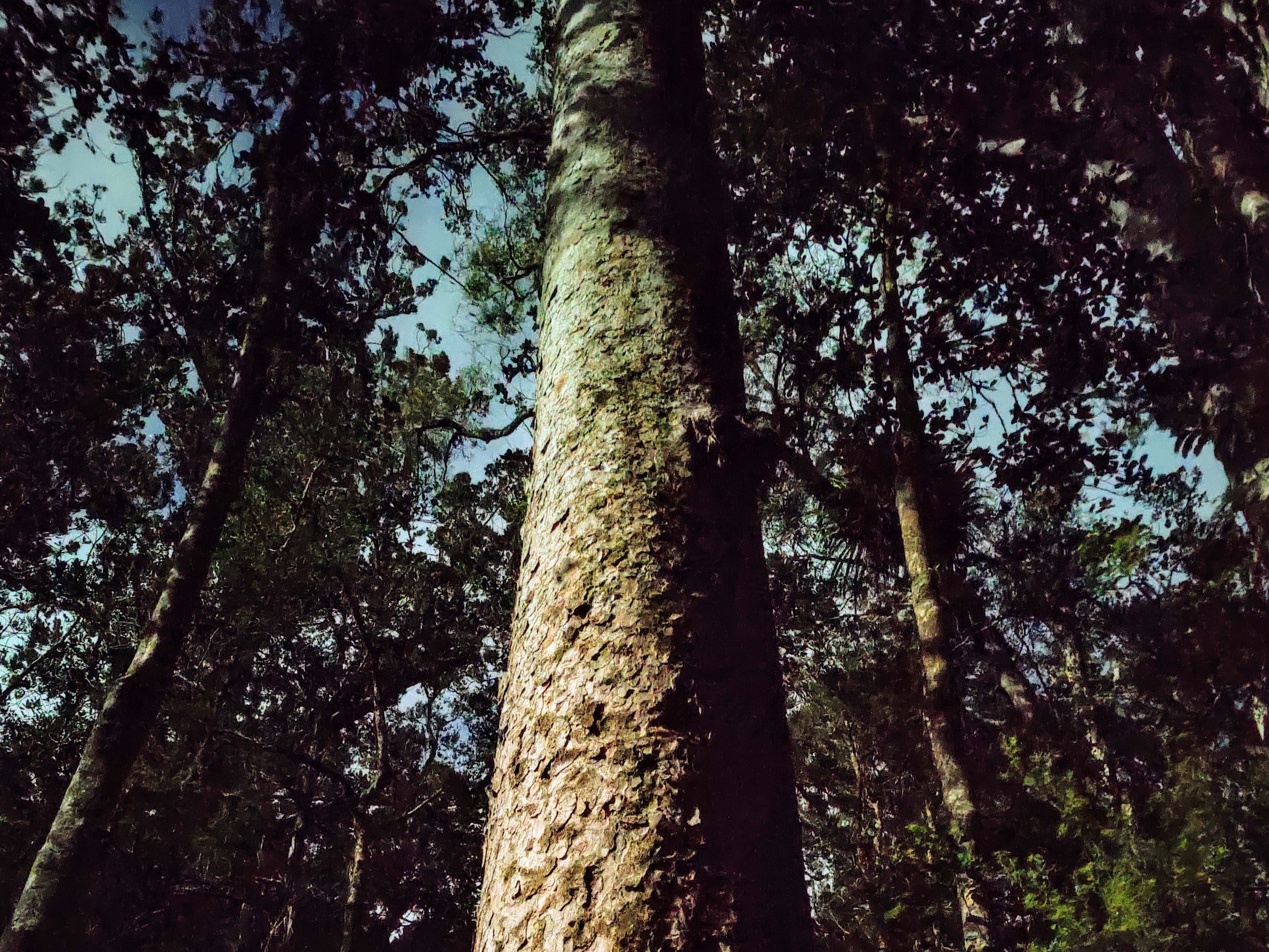
Trounson Kauri Park Campground - 2 nights, $40 value
If DOC camps have a premium range, then Trounson Kauri Park is in it. Stay in a small clearing beside the ancient Kauri forest, where actual living kiwi birds roam. Features hot showers, powered sites (for a price) and a basic kitchen.
Pelorus Bridge Campground - 3 nights, $75 value
Continuing with the premium range, Pelorus Bridge ups the ante with its offerings. Nestled beside the crystal clear Pelorus River, around halfway between Nelson and Blenheim, it's a coldwater swimmer's dream. You also get a kitchen, flush toilets, pay-for showers and a great little café up by the car park.
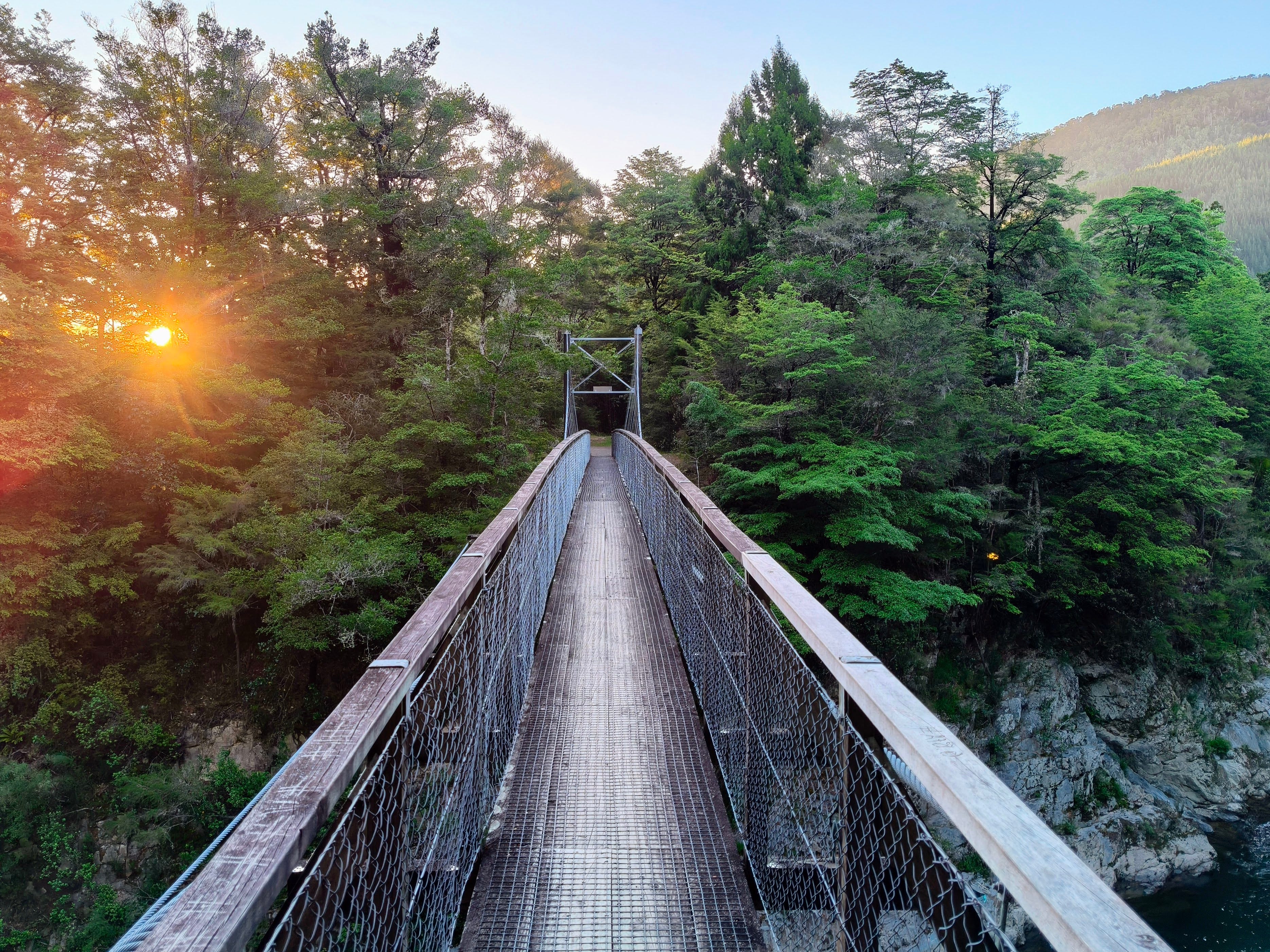
Momorangi Bay Campground - 2 nights, $50 value
Handy to new arrivals to the Mainland, this lush, forest-surrounded camp sits right above Momorangi Bay on the Queen Charlotte Sound’s Grove Arm, about half-an-hour’s drive from Picton. There’s a small stream walk with titiwai/glowworms (fun fact: New Zealand only has one type of glowworm), plus The Link Pathway - a walking and cycling trail between Havelock South, Queen Charlotte Track and Picton - passes right through. There’s a full kitchen for food lovers to wreak havoc in and fans of hot showers will find there’s something for them to drop a coin on nextdoor in the bathrooms, too.
Moke Lake Campsite - 2 nights, $36 value
Back to basics now, with a couple of nights at what is Queenstown’s only DOC camp, after Twelve Mile Delta got privately leased and no longer accepts the camping pass. Hike in from town via the Moonlight Track or over Ben Lomond Saddle, or set off from Glenorchy Road and pass Lake Dispute to join the tooth-shaped Moke Lake Loop Track. However you get there, a large grassy field, with wind-calming shrubs, overlooking the lake, with a single cooking shelter and vault toilets awaits.
Ngaherenga Campsite - 1 night, $10 value
I seem to gravitate to places on Te Araroa Trail, as though my fate is scored and one day I will join the hordes on this remarkable trail. In the meantime,this clearing beside a stream, near The Timber Trail, offers plenty of fine, grassy tent options, while you listen for kākā, kōkako, kākāriki and pekapeka-tou-poto (short-tailed bats). Untreated water flows from the tap and toilets are basic, but you do get BBQs and fire pits, so you can burn all the things.
Shag Stream Campsite - 1 night, $10 value
Another of the nine campsites up the Kauaeranga Valley is this big, basic stretch of grass, beside the road and the river. Driving up the road from Thames, it’s the first you come to that accepts non-Self Contained vehicles and tents. The excellent Kauaeranga Visitor Centre is right across the road, you get water from the river and there’s basic toilets, you know the score.
Cowshed Bay Campsite - 1 night, $15 value
Straight off the ferry in Picton, I smartly booked Moetapu Bay Campsite, on Kenepuru Sound; at least, I thought it was smart, until we arrived there in the dark and discovered we couldn’t park the van as the camp is a 200 metre walk down from the road. Neither of us felt like trotting down with the tent, so we drove another 45 minutes out to Cowshed Bay and tucked in there for the night, finding a nice cooking shelter, flush toilets and a beaut beach outlook when the sun came up.
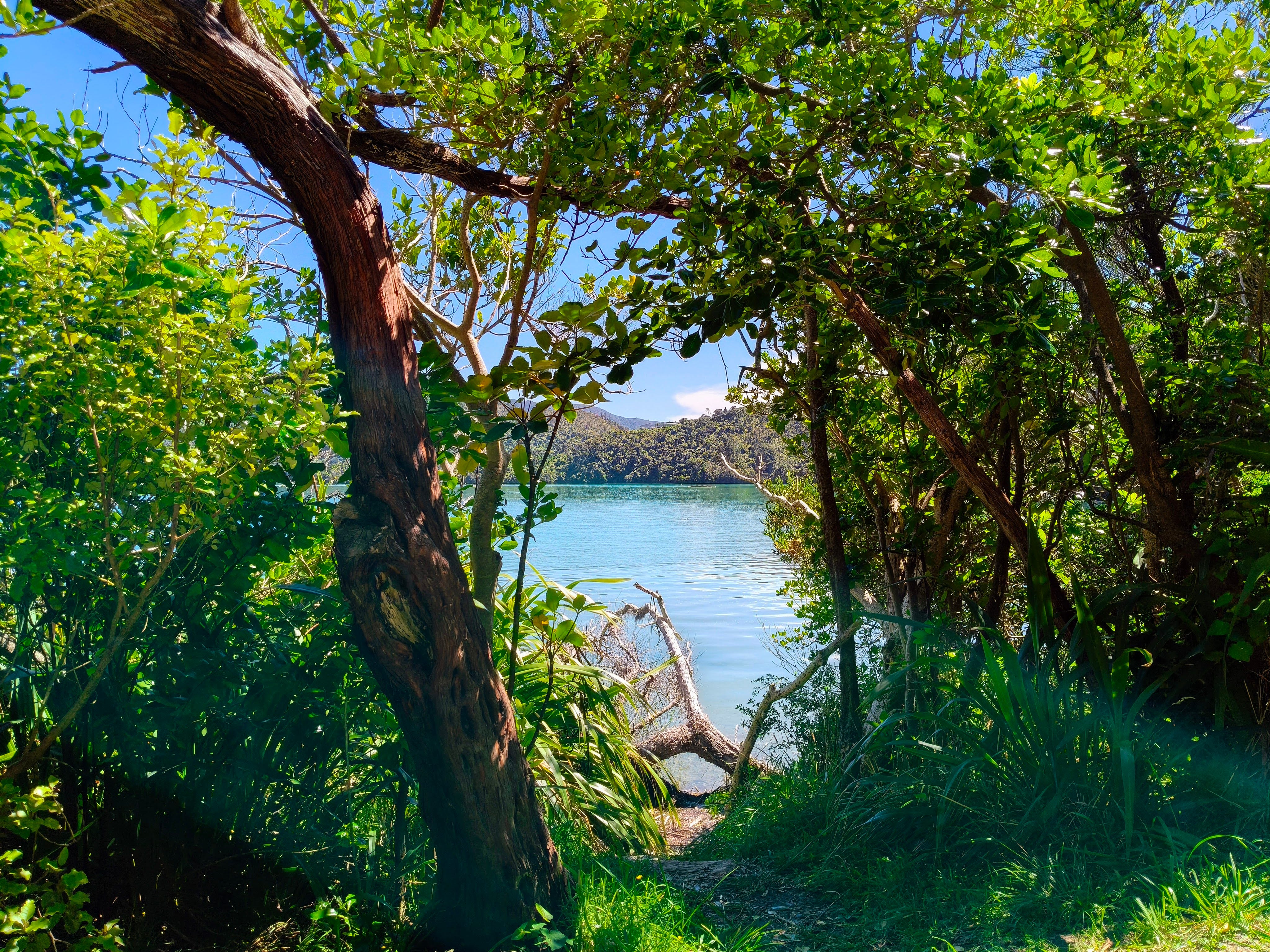
Marfells Beach Campsite - 1 night, $15 value
Glimmers of the North Island can be seen from this South Island beach haven, tucked right into Marlborough wine country, south of where all the Marlborough sea salt comes from and just down the beach from Cape Campbell. We stayed up on the hill, while a band loudly covered the classics down on the lower road. Wim Hof showers and flushing toilets are included in the price.
Diamond Lake Campsite - 7 nights, $70 value
Needing to stay near the Dart River valley for work was as easy as pulling in at this basic little stop on the shores of Diamond Lake: it made my commute just 1.5km. Overlooking the lake (which on the map is definitely more triangular, I can’t see a diamond), Mount Alfred and the Richardson Mountains, the scenery certainly pops the eyes full - and the famous Earnslaw Burn Track begins just a short hop away. Get your water from the stream and poop in the long drop toilets, yo.
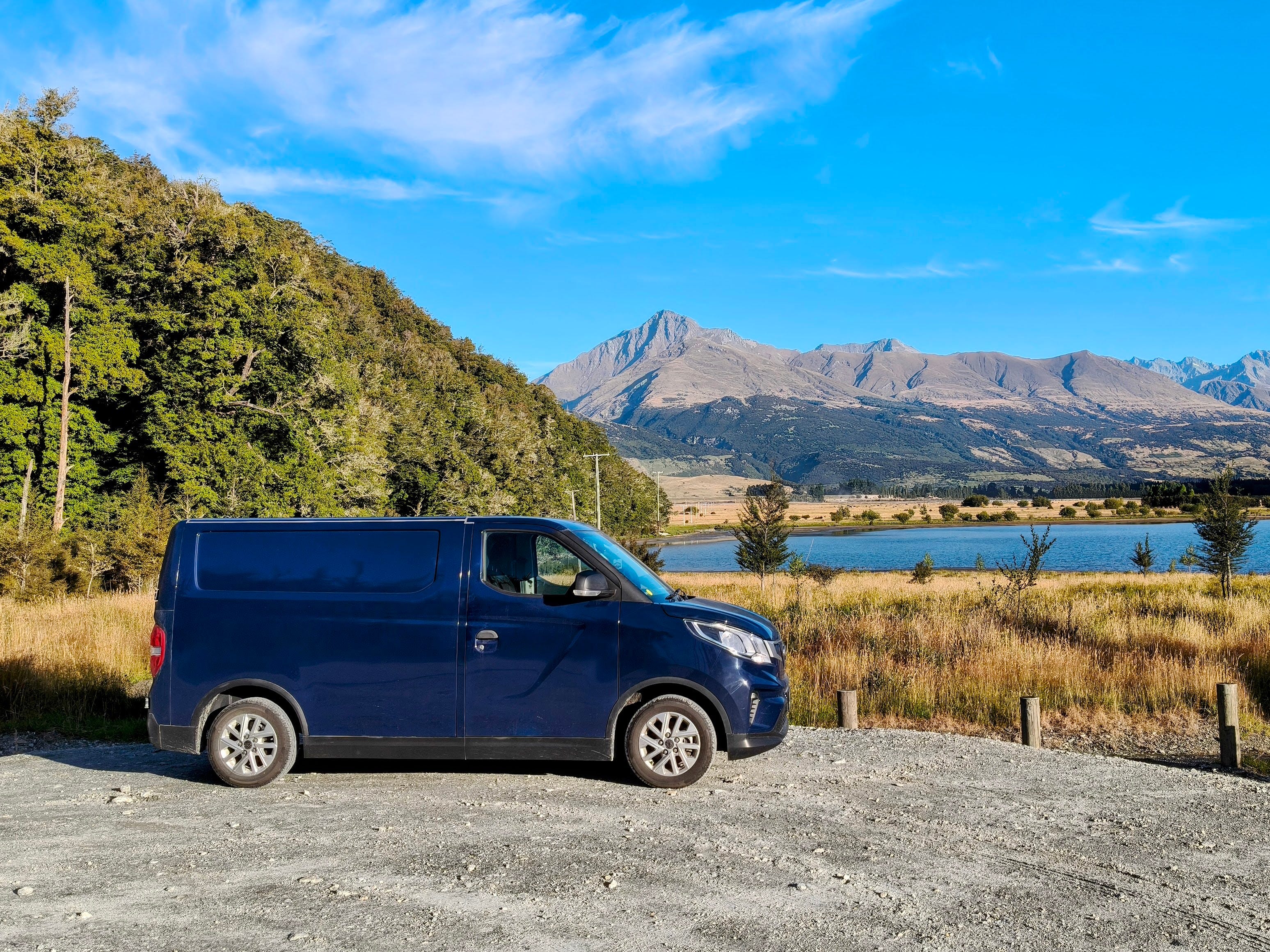
Kinloch Campsite - 1 night, $18 value
On the northern shores of Lake Whakatipu and Te Awa Whakatipu, sits the tiny settlement of Kinloch, not to be confused with the small settlement of Kinloch, found on the shores of Lake Taupō, on the North Island. A major part of this sub-hamlet is the DOC campground, which is both picturesque in the extreme and a handy stop close to the famous Greenstone and Routeburn Tracks. Campers there get one of fifteen non-powered or tent sites to rest your head, untreated tap water and non-flush toilets.
Bonus campsite: Beach Point at Walter Peak Campsite - 1 night, $0 value
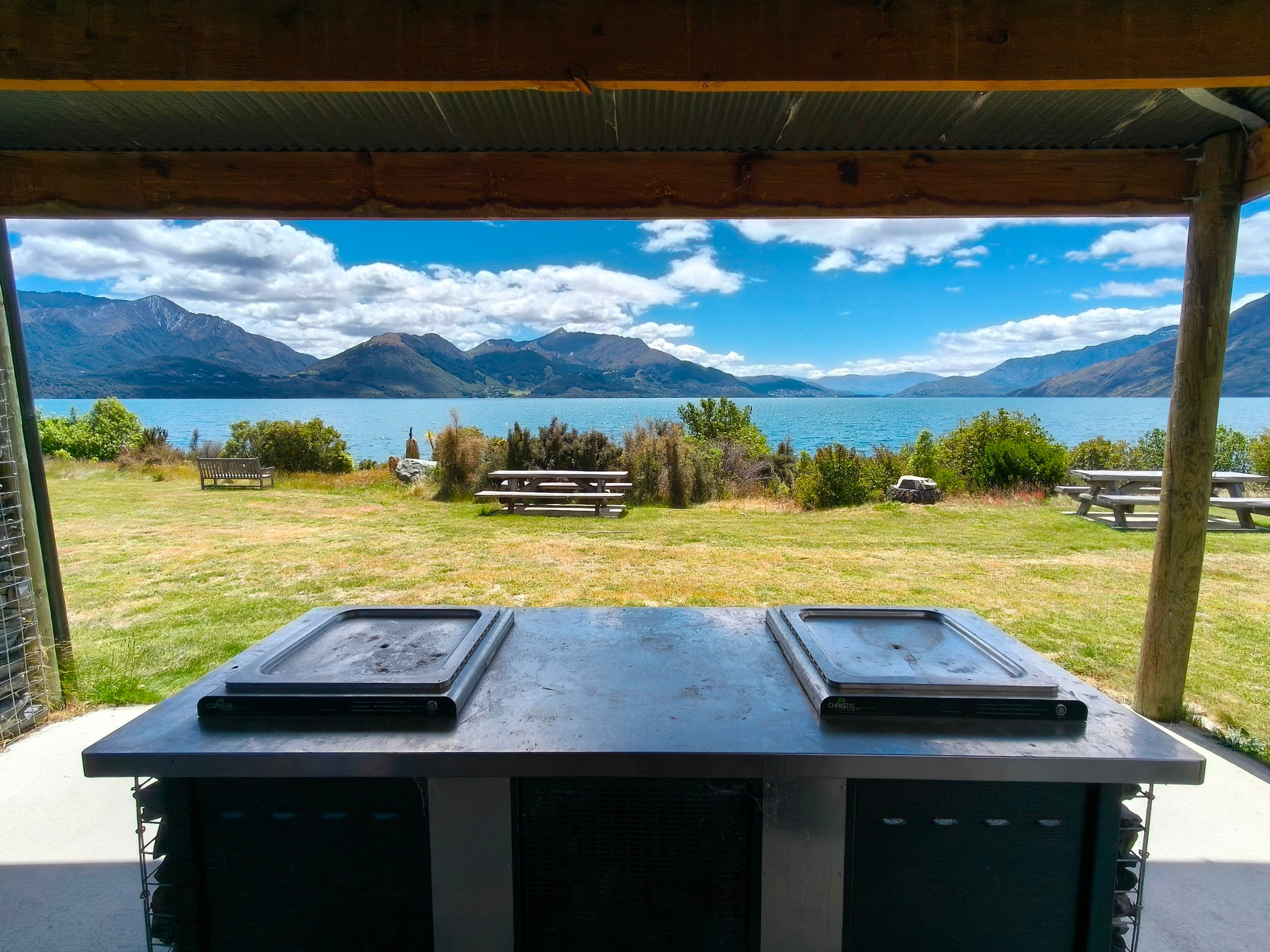
Also, in the mix during our campsite passholder-ship was this fantastical little slice of greenery, again on the shores of Whakatipu. One of several completely free DOC camps nationwide, this one offers a gentle pebbly beach to swim and enjoy the scenery from, but does require a form of water transport or a trip on the historic TSS Earnslaw steamship to get to. Once there, you can sit under the shady cooking shelter and fire up one of the free gas BBQs (which weren’t working when we were there) and climb into yet another green fibreglass Doctor Who TARDIS-style vault toilet to do wees and poos.
And the winner is…
This piece didn’t start out as me planning to crown a winner from all the DOC camps I visited on that last camping pass, but here we are. Why not?
I’ve chosen it as it’s the first ever DOC campsite I stayed at, shortly after Christmas 2009. “It’s got a night kiwi walk” my brother exclaimed at some point, either en route or after squeezing our tents into the last free site beneath the washing line. For many fruitless years I returned, silently hanging out on the boardwalks in that bush, hoping to catch a glimpse of the magical bird they named a fruit after: nothing. The closest I came to seeing one was the time I heard a scratching and a rustling close to me. Breath suspensefully held, I crouched down silently and shone my red torch into the leaves of the small shrubs beside the track and stared directly into the eyes of a possum.
Unperturbed, I kept returning to this curious rural clearing amidst this giant kauri forest, listening with such concentration I would often forget to breathe. Then, one day, near Easter 2025, it happened. Zoe and I were just metres from where I found the possum. It was pitch black, but the track was busy. Busier than I’d ever known it. We heard a rustling in the undergrowth and froze to track the direction the noise was moving in. It was approaching us! Seconds later a North Island brown kiwi bowled into view, swiftly vacuuming the ground for insects through its beak. Mission: eat all the bugs. It trundled past us, disappearing as quickly as it had arrived. This mesmerising experience was my first time seeing a kiwi in the wild in the North Island. We saw heaps on Rakiura Stewart Island back in 2023, but they’re as common as weka on the Abel Tasman Coastal Track over there.
Let’s do the maths: did buying the campsite pass pay off?
$45+$20+$40+$75+$50+$36+$10+$10+$15+$15+$70+$18+$0 = $404
If I’d paid individually for each of these camps, the total across the year would have been $404. Instead, I paid $195 for a DOC Campsite Pass and it saved me $209. It also saved a lot of hassle putting my credit card details into the booking site each time or hunting for $15 in cash upon arrival at one of these wild places.
Yes, fiscally, it paid off and I bought another one this year, despite the $295 inflated price tag.
Besides the financial benefits and slight simplification of booking, I also see my Campsite Pass as a one-off donation to DOC and the work they do looking after the mad amount of adventure infrastructure up and down these motu. This plus my annual hut pass doesn’t come close to covering the cost of all this, but it’s surely better to buy than not.
So, have you had an experience with the DOC Camping Pass and did it work out for you?
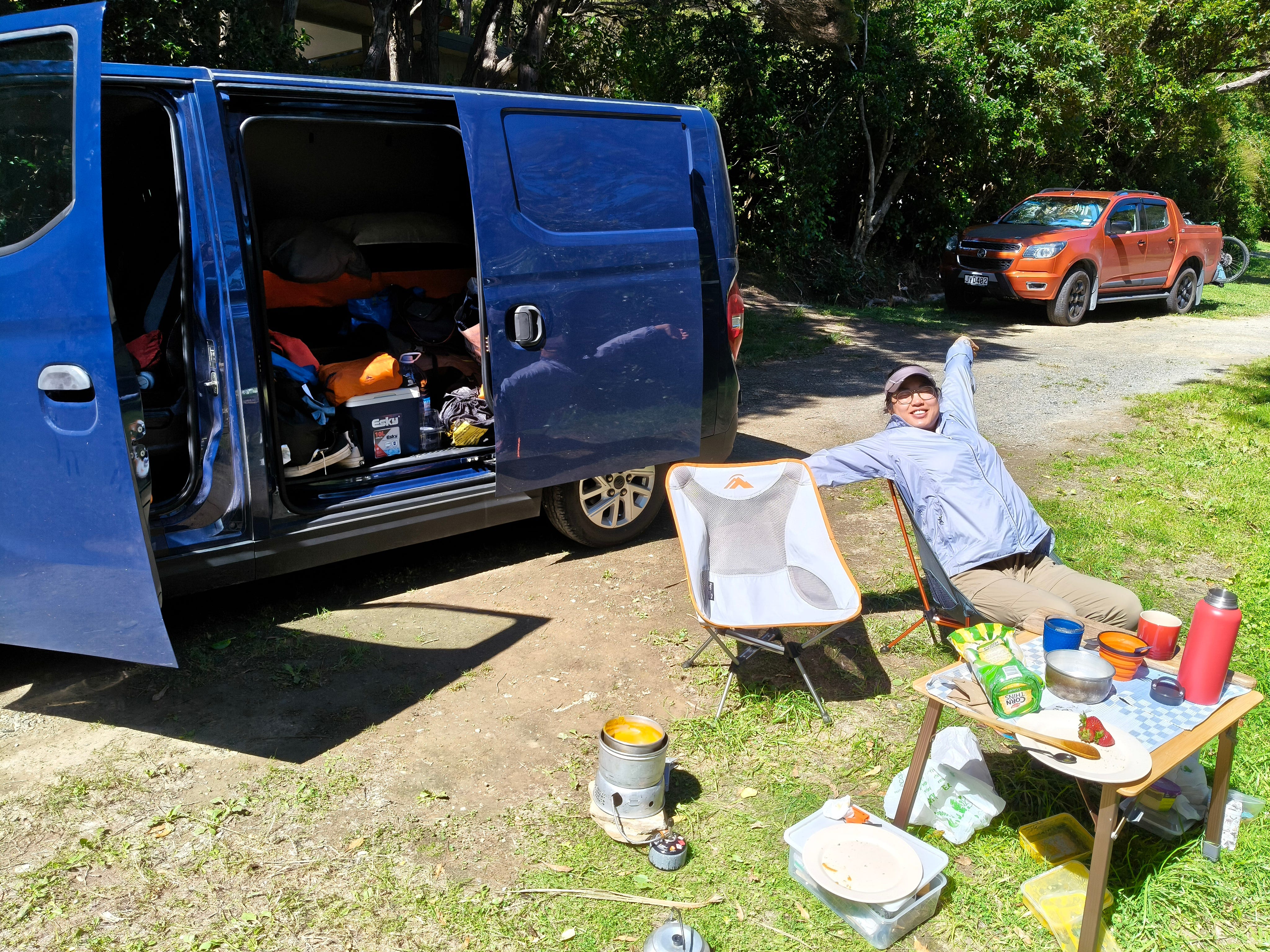
AKA: bliss